

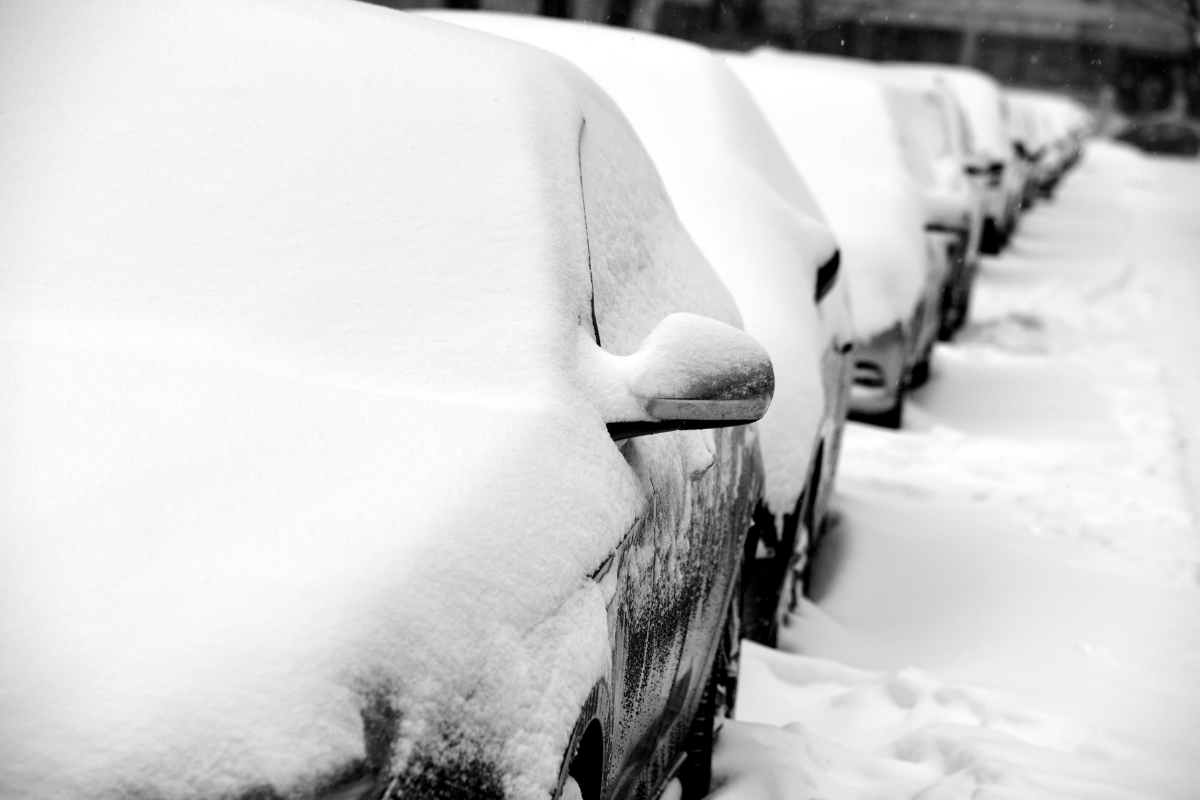
Why Extreme Cold Is So Hard on Vehicles
Minnesota winters combine subzero temperatures, wind chill, snow, and ice, all of which stress your vehicle’s core systems.
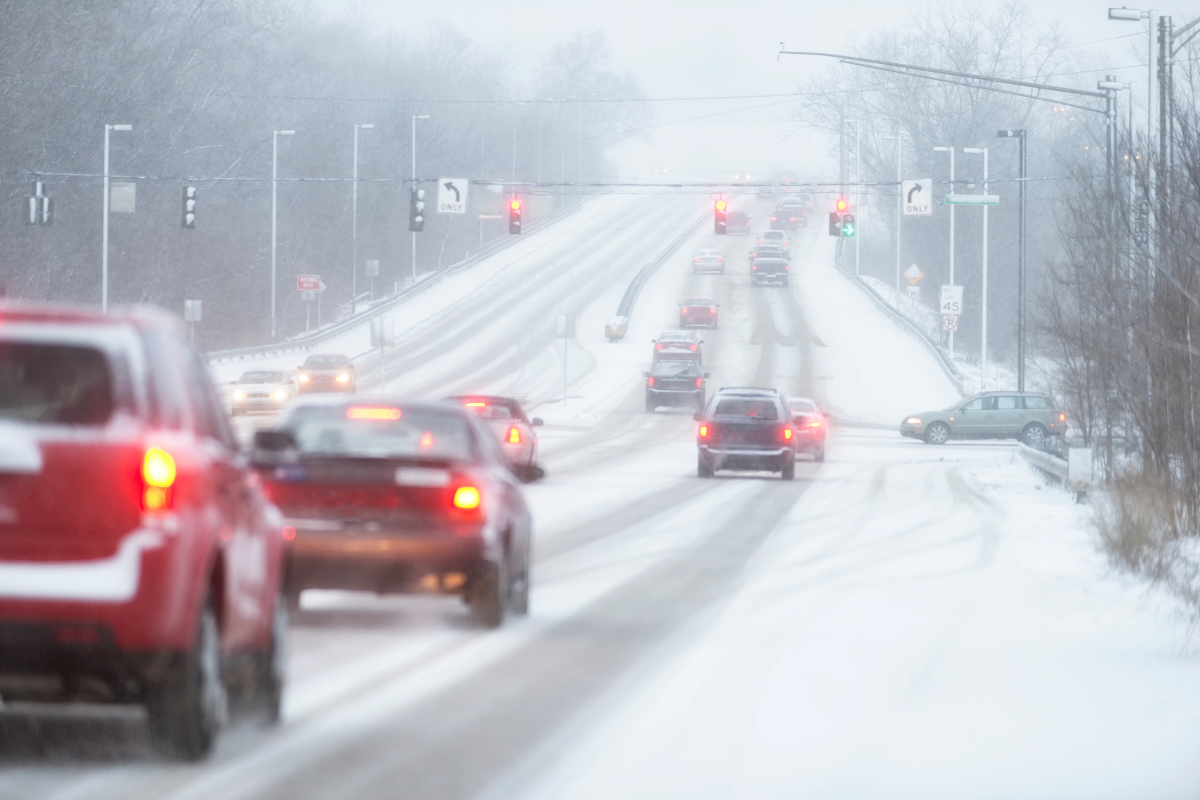
Cold weather can:
- Reduce battery power by up to 60%
- Thicken engine oil, making starts harder
- Lower tire pressure overnight
- Freeze fuel lines and washer fluid
- Crack rubber hoses and belts
Understanding these risks is the first step toward smarter Vehicle Maintenance in Minnesota’s Extreme Cold Winters.
Battery Care: Your #1 Winter Priority
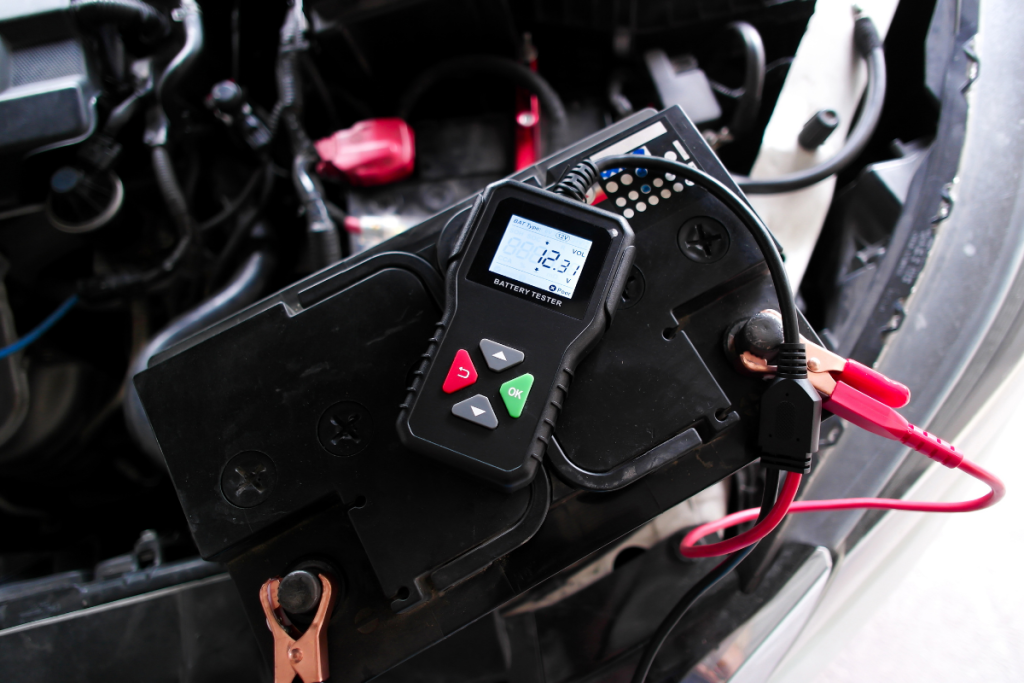
Your battery works harder in winter than in any other season.
Winter Battery Survival Tips
- Have your battery load-tested before and during winter
- Clean corrosion from terminals
- Replace batteries older than 3–5 years
- Keep jumper cables or a portable jump starter in your trunk
At -40°F, even a “healthy” battery can fail. Proactive testing can save you from a frozen roadside wait.
Battery Services
Engine Oil: Choose the Right Viscosity
Cold temperatures make oil thicker, slowing circulation during startup.
What to Do
- Switch to winter-grade or synthetic oil
- Follow manufacturer recommendations (often 0W-20 or 5W-30)
- Change oil before deep winter hits
Proper oil ensures your engine gets lubrication immediately—even in extreme cold.
Oil Change
Tires & Tire Pressure in Arctic Temps
For every 10°F drop in temperature, tire pressure drops about 1 PSI.
Cold-Weather Tire Tips
- Check tire pressure weekly in winter
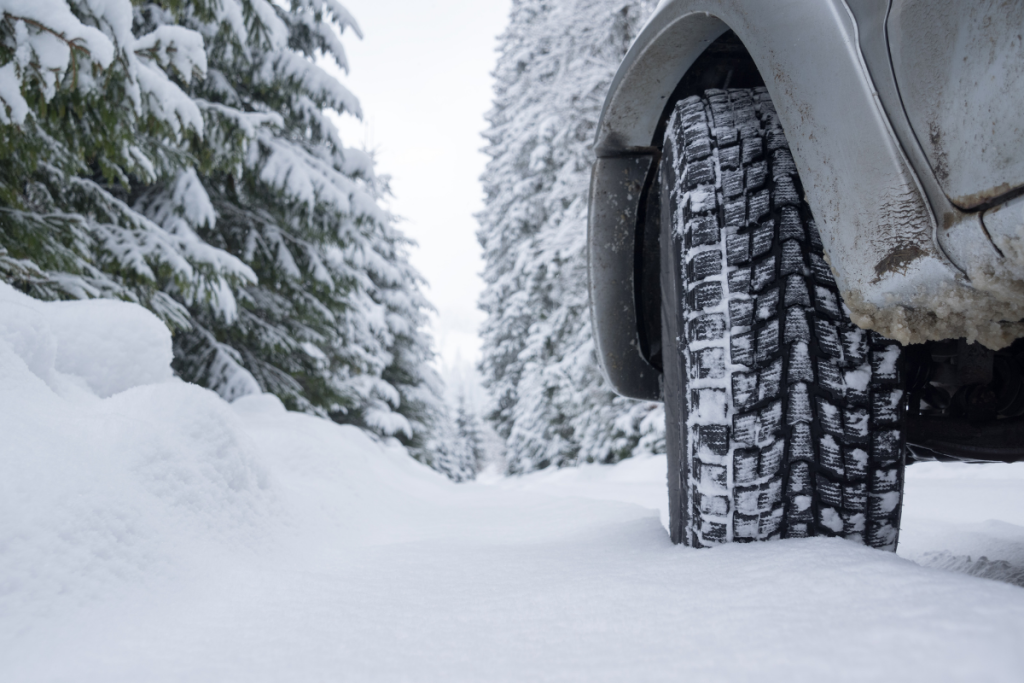
- Install dedicated winter tires for better traction
- Inspect tread depth (minimum 6/32” for snow)
- Don’t forget the spare tire!
Good tires are critical for safe winter driving across Minnesota highways and back roads.
Tire Service
Antifreeze & Cooling System Protection
Your coolant does more than prevent overheating—it stops your engine from freezing solid.
Best Practices
- Ensure a 50/50 antifreeze-to-water mix
- Flush coolant per maintenance schedule
- Inspect hoses for cracks or brittleness
A frozen engine block can cause catastrophic—and costly—damage.
Fuel System & Gas Tank Management
Keeping your fuel system protected is another winter must.
Cold Weather Fuel Tips
- Keep the gas tank at least half full
- Add fuel-line antifreeze if recommended
- Avoid condensation buildup in near-empty tanks
This simple habit helps prevent frozen fuel lines during deep freezes.
Olson Service
Windshield, Wipers & Visibility Essentials
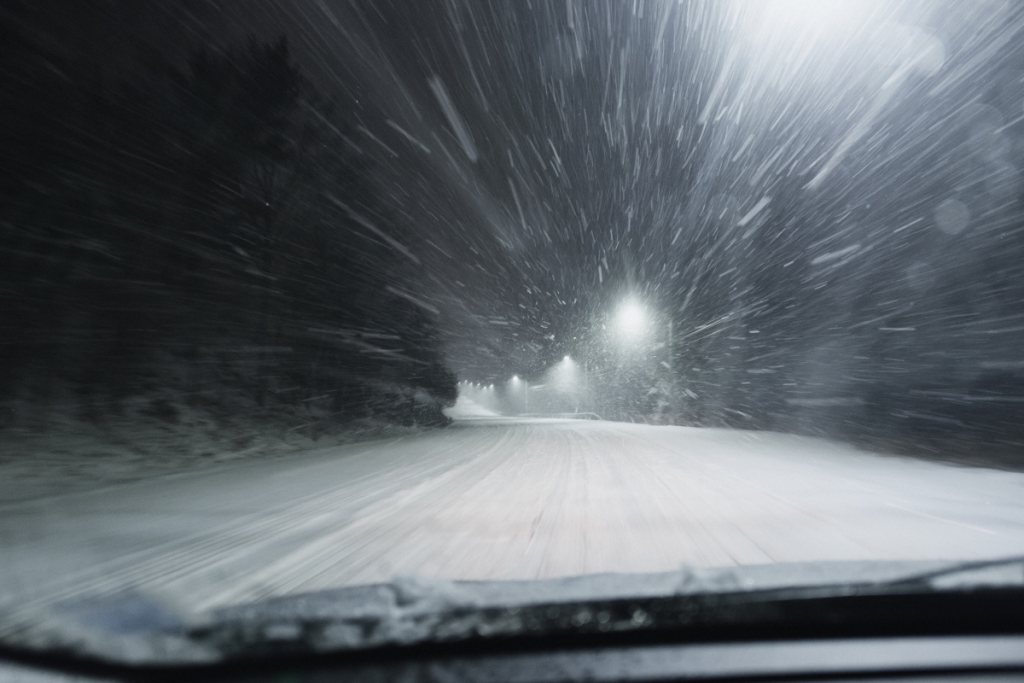
Visibility matters even more during snowy, icy conditions.
Stay Clear & Safe
- Use -40°F rated washer fluid
- Replace worn wiper blades
- Let your defroster fully warm up
- Carry an ice scraper and snow brush
Never pour hot water on a frozen windshield—it can shatter instantly.
Windshield & Wiper Replacement
Emergency Winter Kit: Don’t Leave Home Without It
Minnesota drivers should always be winter-ready.
What to Keep in Your Vehicle
- Blanket and warm gloves
- Flashlight and extra batteries
- Phone charger
- Sand or kitty litter (for traction)
- Shovel and reflective warning triangles
These basics can be lifesavers if you’re stranded in extreme cold.
Olson Winter Ready
Professional Winter Inspections Matter
Even if your car “seems fine,” winter can expose hidden problems fast.
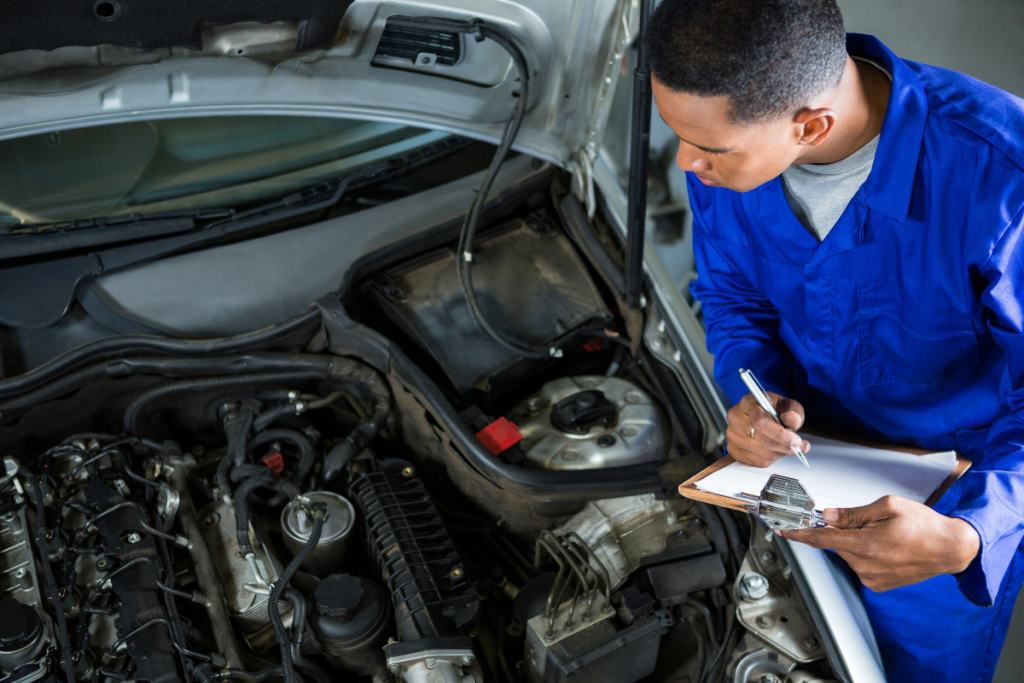
A Winter Checkup Includes
- Battery and charging system test
- Brake inspection
- Tire and alignment check
- Heating system inspection
- Fluid top-offs
Our service teams at Olson Chevrolet understand Vehicle Maintenance in Minnesota’s Extreme Cold Winters because we live it too.
Schedule Auto Service Online
FAQs About Vehicle Maintenance in Minnesota’s Extreme Cold Winters
Below are some of the most common questions Minnesota drivers ask about vehicle maintenance during extreme cold winters.
1. How cold is too cold to start my car?
Most vehicles can start at -40°F, but battery condition and oil type matter greatly.
2. Should I let my car idle to warm up?
Yes—but only for 30–60 seconds. Modern engines warm up faster when driven gently.
3. Do I really need winter tires?
Absolutely. Winter tires provide superior traction, braking, and control in snow and ice.
4. How often should I check my battery in winter?
At least once at the start of winter—and again during extreme cold spells.
5. Can extreme cold damage my transmission?
Yes. Cold fluid doesn’t lubricate well until warmed, so drive gently at first.
6. Where can I learn more about winter driving safety?
The AAA offers excellent winter driving guidance for extreme cold and snowy conditions.
Winter Vehicle Checkup at Olson Chevrolet
Extreme cold doesn’t wait, and neither should you. Schedule a winter battery test, tire check, or full cold-weather inspection at Olson Chevrolet in Redwood Falls or Hutchinson before the next deep freeze hits.
Final Thoughts: Stay Warm, Stay Ready
Minnesota winters don’t forgive neglect. With smart planning and regular service, winter vehicle maintenance doesn’t have to be stressful—even at -40°F.
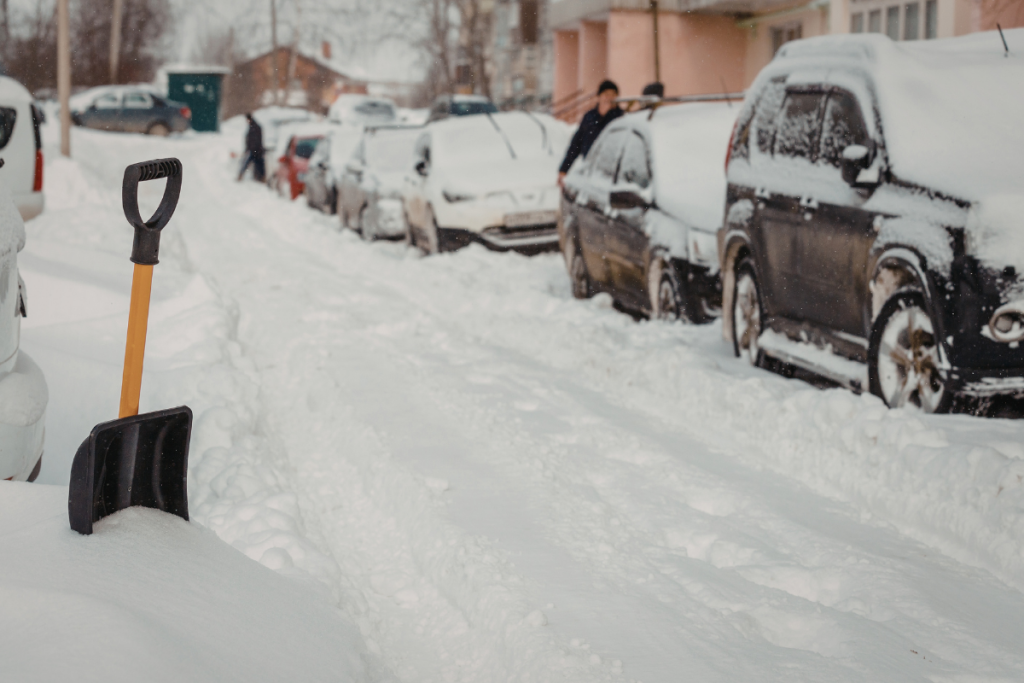
Whether you need a battery check, winter tires, or a full cold-weather inspection, the friendly teams at Olson Chevrolet in Redwood Falls and Hutchinson are here to help keep you driving confidently all winter long. 🚗❄️
Connect with us

