
Blog / Olson Automotive Service

Extend the Lifespan of Your Chevrolet: 6 Maintenance Essentials

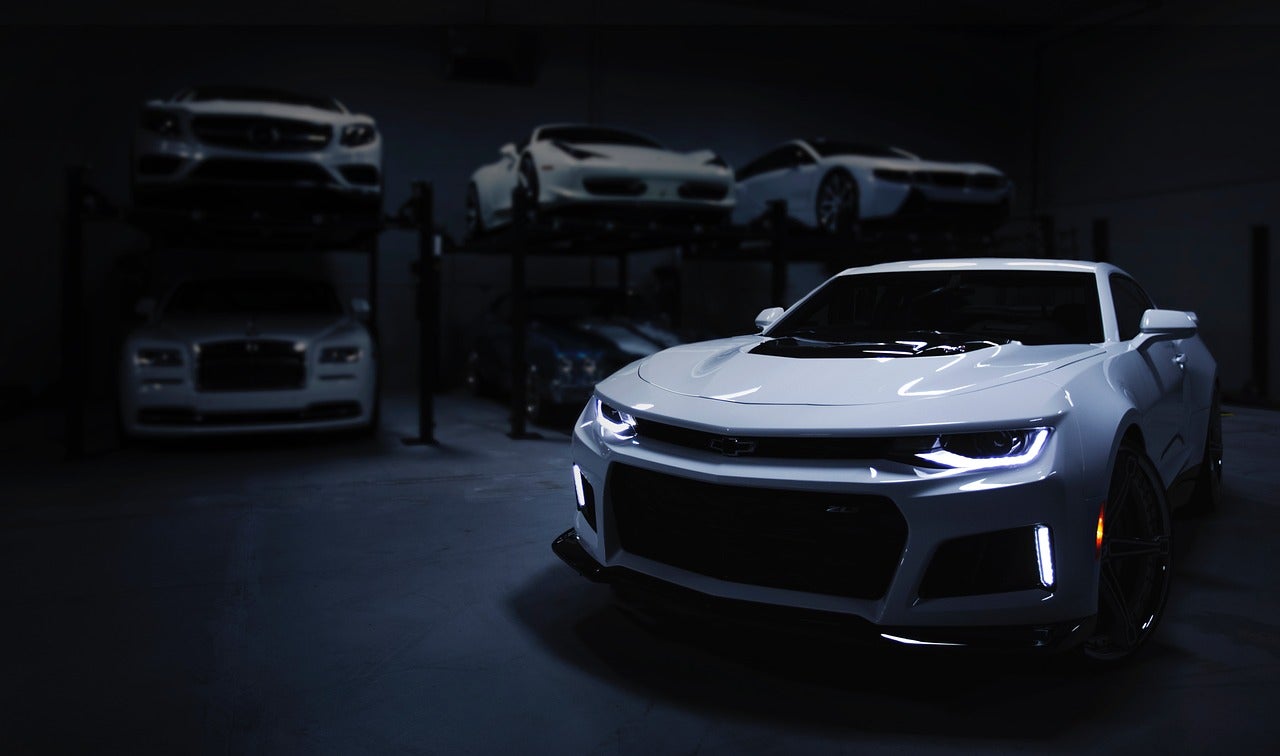
A white car in a warehouse

If you care about the lifespan of your Chevrolet, it's essential to have your car routinely serviced. The following are six key aspects of good Chevy maintenance that should never be missed. And many drivers ensure that they never accidentally forget a vital maintenance task by scheduling services at their local Chevy dealership. 

Refresh Your Motor Oil and Filter

The longevity of your car depends largely on the condition of its engine. Motor oil lubricates all the moving parts and cleans out debris, playing a vital role in protecting your engine from wear and tear. It's essential to keep your engine's oil as fresh as possible at all times. For most drivers, this means having an oil change at least twice a year. 

As the oil circulates, cleaning contaminants from the engine parts, it sweeps all the dirt and fragments into the oil filter, which gradually becomes full. Therefore, during your regular oil changes, the filter will also often need to be replaced. 

Keep Coolant Levels Topped Up

Coolant also protects your car's engine by preventing it from overheating. It's therefore also important to always keep your coolant in good working order. 

While coolant ordinarily doesn't need to be changed as often as motor oil, you should check its condition frequently and flush it every 30,000 miles or so. Your coolant might also need to be changed at the start of winter; during the colder months, a special type of coolant can protect against freezing. 

Flush All Fluids Periodically 

As with the motor oil and coolant, each fluid in your car serves an important maintenance function. With this in mind, check your owner's manual for the appropriate care schedule required for the transmission fluid, brake fluid, power steering fluid, and windshield washer fluid.

Inspect and Rotate Your Tires

For both your car's health and your own safety, always ensure that your tires are in excellent condition. Tires need to be rotated at least twice a year to keep them even in wear and size. You'll also need to have your wheels realigned every two or three years, and old tires usually need to be replaced every four to five years. 

Schedule Routine Chevy Maintenance at Your Local Chevy Dealership

As previously mentioned, the surest way to keep your car alive and fully functional for as long as possible is to schedule routine maintenance at your local dealership. This way, the technicians can politely remind you whenever your car is due for an essential upkeep service. 

Visit Olson Automotive in Redwood Falls, MN, today to learn more about how to extend the lifespan of your car. We offer the region's drivers a terrific range of new and pre-owned vehicles along with award-winning customer service. 

Image via Pixabay
Posted in:

Related Posts

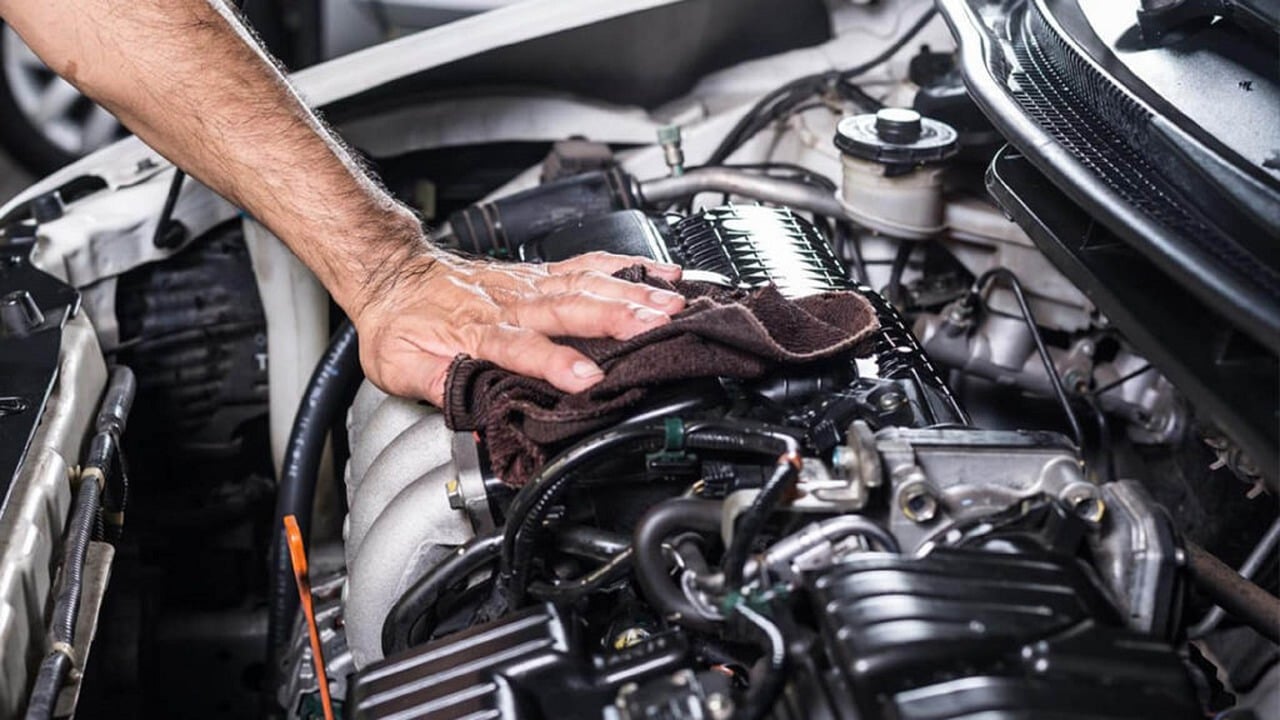
A person working under a car's hood

Signs You Need a Radiator Repair at Your Chevy Dealer

Your Chevy's radiator is a vital engine component. It's the centerpiece of the cooling system and is responsible for removing engine heat by heat exchange with the cooler outside air. The radiator and cooling system operates at high temperatures and under high pressure, and this can cause parts to wear out or become damaged. As your Chevy dealer, we'd like you to know a few signs that you may need to visit us for a radiator repair. more Leaking Coolant Coolant is the liquid in the cooling system, and its function is to absorb heat generated by the engine and transfer it to the radiator. Inside the radiator, the coolant enters rows of thin aluminum tubes. Air blows in through the radiator grille and across the tubes, and this air movement removes the heat from the coolant. A coolant leak will immediately reduce the pressure in the cooling system. The reduced pressure causes the remaining coolant to move slower, and this causes heat to build up in your engine. You'll immediately see the increasing temperature displayed on the temperature gauge on your dash. Our technicians will examine your cooling system to find the source of the leak, and then we'll seal it. Once the leak is plugged, we'll refill your coolant. Damaged Radiator Cap The radiator cap screws into the top of the radiator, and it has two seals that ensure an airtight connection. The cap maintains the correct pressure in the cooling system. If the pressure rises too high, the cap opens slightly to bleed off excess pressure and then closes again. As time passes, the constant heat in the system can damage the seals and allow coolant and pressure to escape. If you look at your radiator cap and see white streaks around it, this is a sign that the seals are damaged. The white marks are caused by escaping coolant. As coolant leaks out, it almost immediately evaporates due to the heat in the engine, but it leaves the marks behind. We'll check the condition of the cap and seals and replace them if they've been damaged. Broken Water Pump The water pump's job is to move coolant through the system at high speed. The speed of the pump varies depending on the engine temperature. If you accelerate, the engine gets hotter and the pump speeds up. Conversely, if your Chevy slows down, the pump will slow down in response. The pump is a relatively simple component, but it could fall as it gets older. If the water pump fails, the coolant won't move through the system, and your engine temperature will rapidly rise. We'll replace the damaged pump with a new one, and your cooling system will work correctly again. An overheating engine can suffer serious, even fatal damage. Contact our service department ASAP at Olson Automotive in Redwood Falls, MN. Image via Pixabay

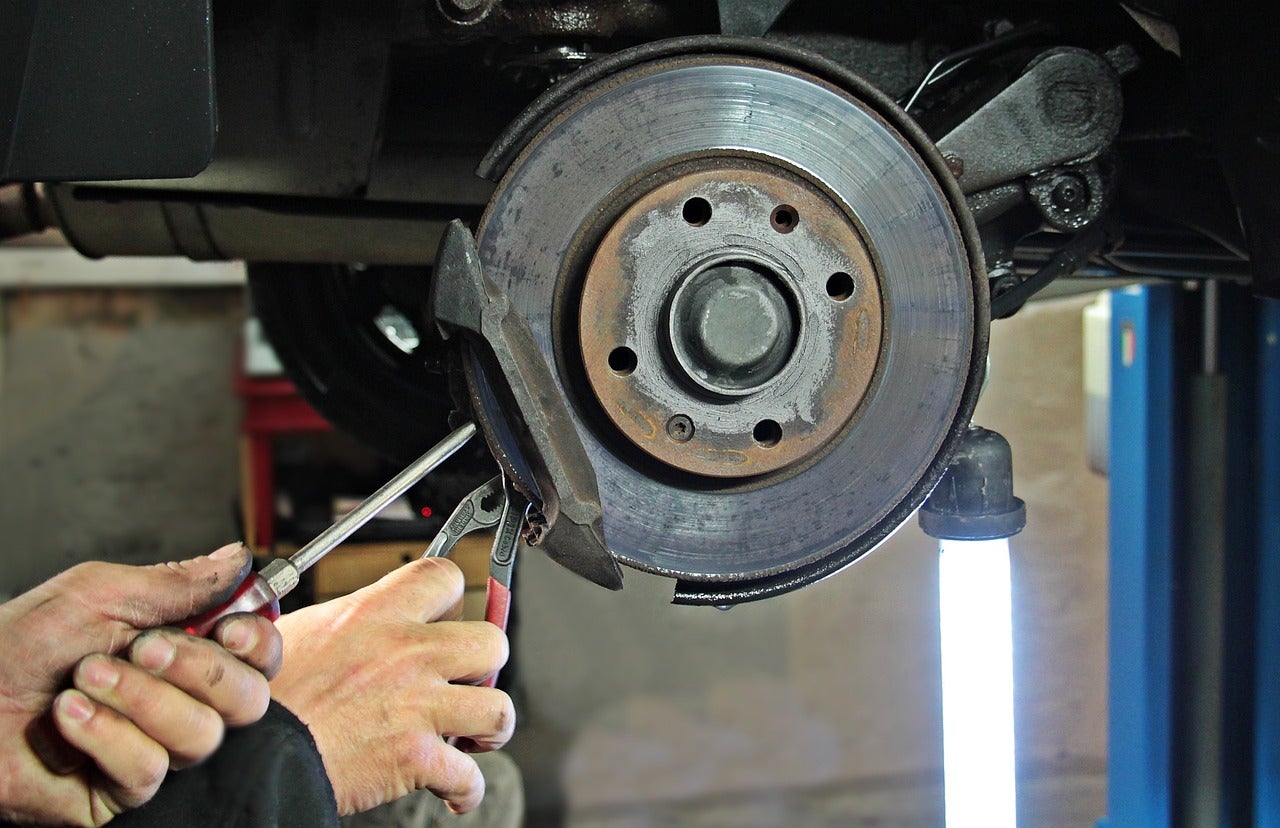
A mechanic working on a car wheel

3 Signs You Need a Brake Repair at Your Chevy Dealer

Brakes are a vital part of your Chevy's safety equipment, as they allow you to control your speed and stop at any time. Over time, your brake components will become worn or damaged, and you'll need to visit your Chevy dealer for a brake repair. These are some signs that your brakes are in trouble. more Pulling to One Side When you hit the brakes, pressurized brake fluid forces the calipers to close on either side of each wheel rotor. The calipers contain brake pads which generate friction against the smooth rotor surfaces, and this friction brings the wheels to a stop. To ensure safe and effective braking, all the calipers close on the rotors simultaneously. If your car pulls to one side, one of the calipers hasn't engaged, and that wheel continues to move until it's brought to a stop by the other three wheels. The two causes of this situation are a blockage in the brake hose connected to the affected caliper or a rusted or jammed caliper. Our technicians will need to examine your braking system to identify the source of the trouble and then repair it. Leaking Brake Fluid Brake fluid is maintained at high pressure in the braking system, and this pressure allows it to supply the hydraulic force that makes your brakes engage. The braking system generates heat due to the pressure inside it, and the combination of heat, pressure, and time can cause wear and tear on the brake hoses and lines. If the damage becomes severe enough, the braking system can develop leaks. Leaking brake fluid is very difficult to spot, as it's thin and looks like cooking oil. If your brakes are leaking, the first sign you'll experience is decreased resistance when you step on the brake pedal. The resistance is generated by the pressurized brake fluid. As the fluid level drops, your brake will become less responsive. We can fix this situation by tracing the leak and sealing it, then we'll refill the fluid. Burning Chemical Smell Brake fluid ages like any other fluid, and older fluid loses its heat-resistant properties. As we've seen, the brake fluid is pressurized, and if you have to ride your brakes, particularly on a hot day, the brake fluid can overheat. If the temperature rises high enough, the brake fluid can start to burn and release a foul, chemical smell. Burning won't consume the fluid, but it destroys the fluid's ability to provide hydraulic power. Without hydraulic power, your brakes won't work, and you could have an accident. If you smell a burning chemical smell, pull over ASAP and call us so our technicians can investigate and fix the problem. If your brakes don't work as well as they should, call us ASAP at Olsen Automotive in Redwood Falls, MN. Image via Pixabay

Snow-covered vehicles parked during a Minnesota extreme cold winter

Vehicle Maintenance in Minnesota's Extreme Cold Winters: 9 Essential Tips to Survive -40°F Weather

Why Extreme Cold Is So Hard on Vehicles Minnesota winters combine subzero temperatures, wind chill, snow, and ice, all of which stress your vehicle’s core systems. Cold weather can: Reduce battery power by up to 60% Thicken engine oil, making starts harder Lower tire pressure overnight Freeze fuel lines and washer fluid Crack rubber hoses and belts Understanding these risks is the first step toward smarter Vehicle Maintenance in Minnesota's Extreme Cold Winters. Battery Care: Your #1 Winter Priority Your battery works harder in winter than in any other season. Winter Battery Survival Tips Have your battery load-tested before and during winter Clean corrosion from terminals Replace batteries older than 3–5 years Keep jumper cables or a portable jump starter in your trunk At -40°F, even a “healthy” battery can fail. Proactive testing can save you from a frozen roadside wait. Battery Services Redwood Falls MN Hutchinson, MN Engine Oil: Choose the Right Viscosity Cold temperatures make oil thicker, slowing circulation during startup. What to Do Switch to winter-grade or synthetic oil Follow manufacturer recommendations (often 0W-20 or 5W-30) Change oil before deep winter hits Proper oil ensures your engine gets lubrication immediately—even in extreme cold. Oil Change Redwood Falls, MN Hutchinson, MN Tires & Tire Pressure in Arctic Temps For every 10°F drop in temperature, tire pressure drops about 1 PSI. Cold-Weather Tire Tips Check tire pressure weekly in winter Install dedicated winter tires for better traction Inspect tread depth (minimum 6/32” for snow) Don’t forget the spare tire! Good tires are critical for safe winter driving across Minnesota highways and back roads. Tire Service Redwood Falls, MN Hutchinson, MN Antifreeze & Cooling System Protection Your coolant does more than prevent overheating—it stops your engine from freezing solid. Best Practices Ensure a 50/50 antifreeze-to-water mix Flush coolant per maintenance schedule Inspect hoses for cracks or brittleness A frozen engine block can cause catastrophic—and costly—damage. Fuel System & Gas Tank Management Keeping your fuel system protected is another winter must. Cold Weather Fuel Tips Keep the gas tank at least half full Add fuel-line antifreeze if recommended Avoid condensation buildup in near-empty tanks This simple habit helps prevent frozen fuel lines during deep freezes. Olson Service Redwood Falls, MN Hutchinson, MN Windshield, Wipers & Visibility Essentials Visibility matters even more during snowy, icy conditions. Stay Clear & Safe Use -40°F rated washer fluid Replace worn wiper blades Let your defroster fully warm up Carry an ice scraper and snow brush Never pour hot water on a frozen windshield—it can shatter instantly. Windshield & Wiper Replacement Redwood Falls, MN Hutchinson, MN Windshield Replacement Emergency Winter Kit: Don’t Leave Home Without It Minnesota drivers should always be winter-ready. What to Keep in Your Vehicle Blanket and warm gloves Flashlight and extra batteries Phone charger Sand or kitty litter (for traction) Shovel and reflective warning triangles These basics can be lifesavers if you’re stranded in extreme cold. Olson Winter Ready Redwood Falls, MN Hutchinson, MN Professional Winter Inspections Matter Even if your car “seems fine,” winter can expose hidden problems fast. A Winter Checkup Includes Battery and charging system test Brake inspection Tire and alignment check Heating system inspection Fluid top-offs Our service teams at Olson Chevrolet understand Vehicle Maintenance in Minnesota's Extreme Cold Winters because we live it too. Schedule Auto Service Online Redwood Falls, MN Hutchinson, MN FAQs About Vehicle Maintenance in Minnesota's Extreme Cold Winters Below are some of the most common questions Minnesota drivers ask about vehicle maintenance during extreme cold winters. 1. How cold is too cold to start my car? Most vehicles can start at -40°F, but battery condition and oil type matter greatly. 2. Should I let my car idle to warm up? Yes—but only for 30–60 seconds. Modern engines warm up faster when driven gently. 3. Do I really need winter tires? Absolutely. Winter tires provide superior traction, braking, and control in snow and ice. 4. How often should I check my battery in winter? At least once at the start of winter—and again during extreme cold spells. 5. Can extreme cold damage my transmission? Yes. Cold fluid doesn’t lubricate well until warmed, so drive gently at first. 6. Where can I learn more about winter driving safety? The AAA offers excellent winter driving guidance for extreme cold and snowy conditions. Winter Vehicle Checkup at Olson Chevrolet Extreme cold doesn’t wait, and neither should you. Schedule a winter battery test, tire check, or full cold-weather inspection at Olson Chevrolet in Redwood Falls or Hutchinson before the next deep freeze hits. Schedule Winter Service - Hutchinson, MN Schedule Winter Service - Redwood Falls, MN Final Thoughts: Stay Warm, Stay Ready Minnesota winters don’t forgive neglect. With smart planning and regular service, winter vehicle maintenance doesn’t have to be stressful—even at -40°F. Whether you need a battery check, winter tires, or a full cold-weather inspection, the friendly teams at Olson Chevrolet in Redwood Falls and Hutchinson are here to help keep you driving confidently all winter long. 🚗❄️